
3 Staging Secrets That Sell Homes for Top Dollar
Why Your Listing Might Be Leaving Money on the Table
You’ve priced your home competitively, hired a good agent and prepared the listing. But the offers are underwhelming. What’s missing? In today’s market, it’s increasingly clear that home staging isn’t just “nice to have”—it can drive serious value. According to the National Association of Realtors (NAR) 2025 Profile of Home Staging, almost 29% of agents reported that staging resulted in a 1-10% higher dollar offer, and nearly half saw reduced time on market.
In this article, you’ll learn three powerful staging secrets—each backed by data and practical guidance—to help your property sell for top dollar. We'll incorporate key real-estate marketing keywords like home staging, sell for top dollar, listing presentation, buyers’ perception, and more, all woven naturally to boost SEO and readability. Let’s dig in.

Secret #1: Create Space and Simplicity – Declutter, Depersonalize & Define Purpose
Why this matters
The first impression matters—and not just at the curb. Inside the home, clutter and personal items can distract buyers and make rooms appear smaller or less usable. Data shows that 93% of agents agree that decluttering is one of the first things to do when preparing a home.
NAR also found that 83% of buyers’ agents say staging makes it easier for buyers to visualize the home as their future residence.
Actionable tips for sellers
- Pack away excess items: clear countertops, empty closets of non-essentials, remove personal photos and knick-knacks.
- Depersonalize: Your family portraits, travel souvenirs, sports gear—they tell your story, not the buyer’s. Remove them to let buyers picture their lives.
- Define each room’s purpose: Convert ambiguous spaces (e.g., an oversize catch-all) into a clearly staged use—like “home office” or “guest room”. This clarifies how the space works.
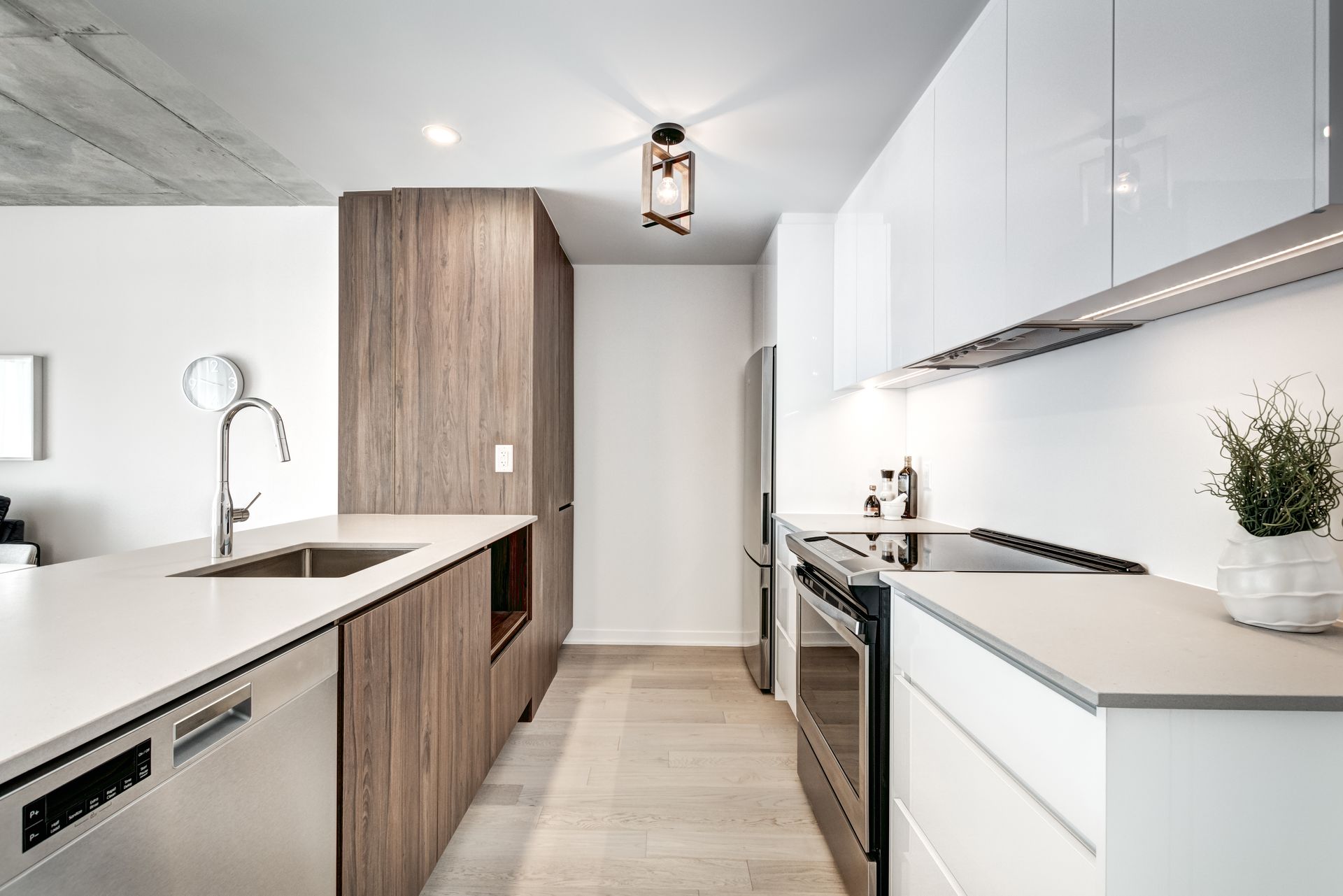
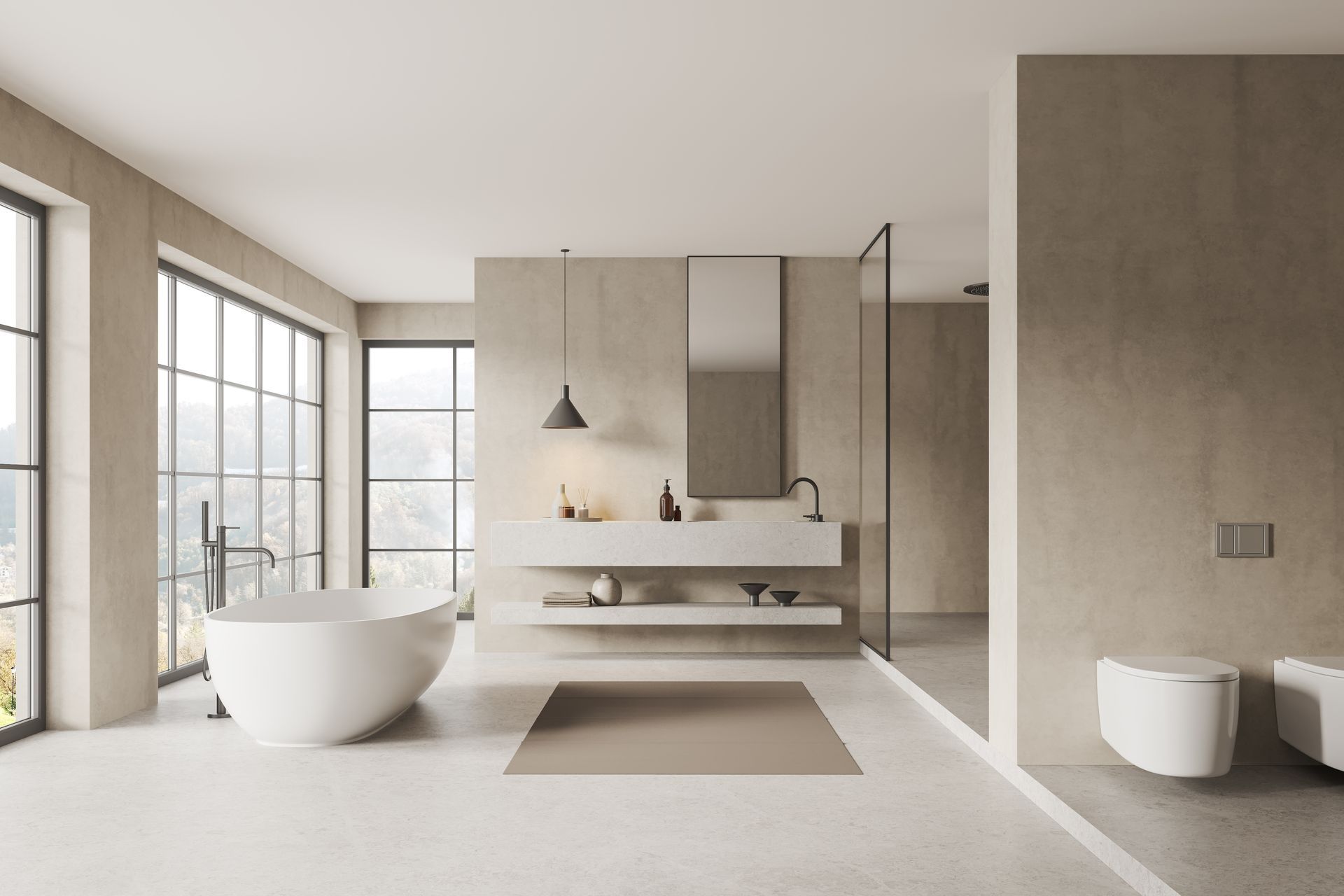
- Neutralize color and décor: Bold walls or unusual décor can distract. Instead, opt for neutral tones (greige, warm white) so the space appeals broadly.
Real-world example
When I helped a client sell a mid-priced condo, we removed about 40% of his possessions into storage, repainted one accent wall to a soft greige, and re-arranged existing furniture to define living vs dining spaces. The listing photos jumped in appeal, we received significantly more inquiry emails, and the home closed at full list within two weeks.
Visual elements to include
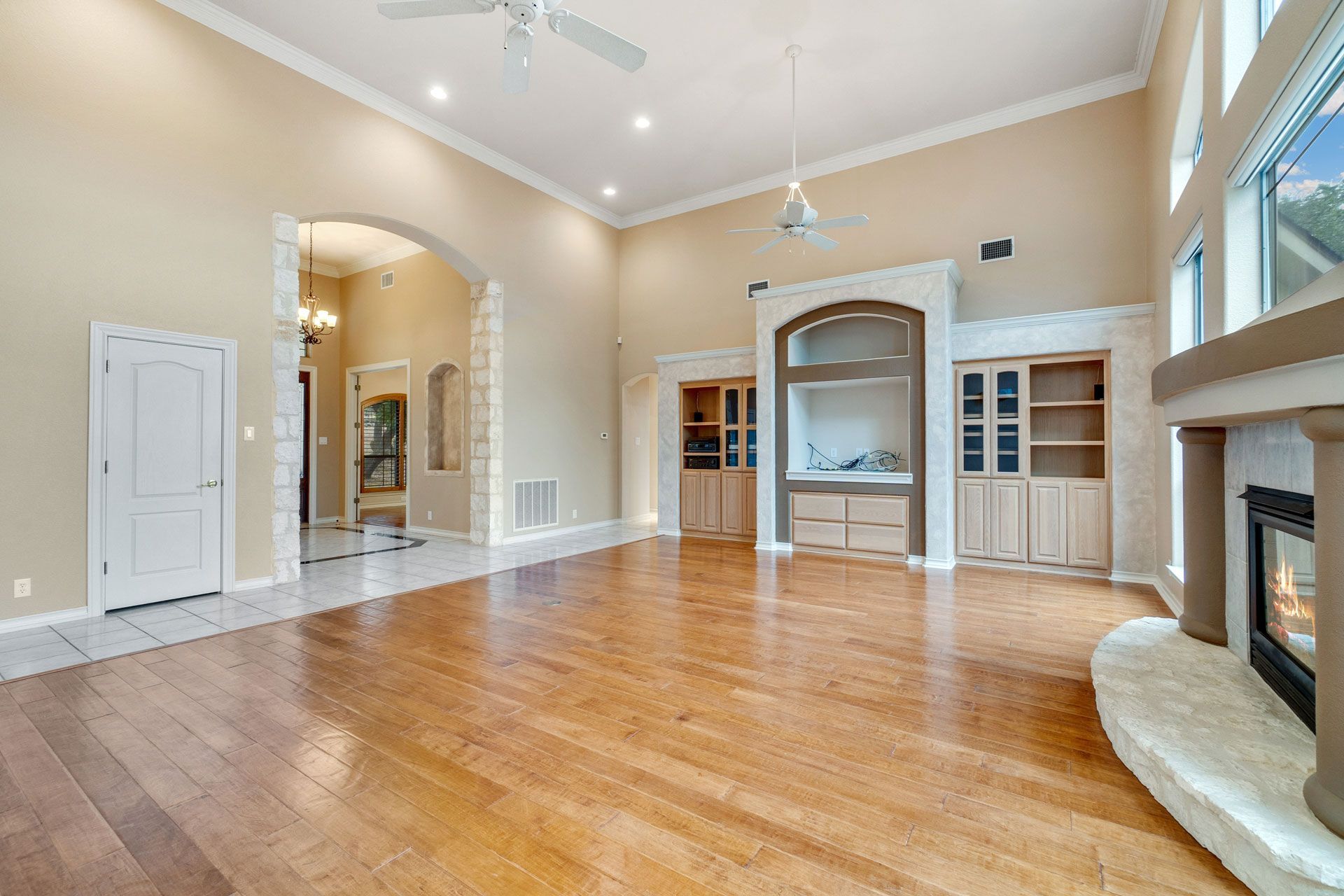
- Before/after photos of decluttered vs lived-in rooms
- Infographic showing “Clutter → Neutral → Sell” progression
- Short video walkthrough showing how staging opened the space
Secret #2: Trigger Emotion & Buyer Imagination – Storytelling Through Styling
The psychology behind staging
When buyers walk into a home, they’re not just assessing square footage—they’re asking: Could I live here? Would I want to live here? Staging that creates an emotional connection helps answer that “yes”.
The NAR report indicates that 60% of buyers’ agents say staging impacts how buyers feel about a home. In luxury markets, some studies report staged homes sell for 5-23% above listing price.
How to leverage styling for top value
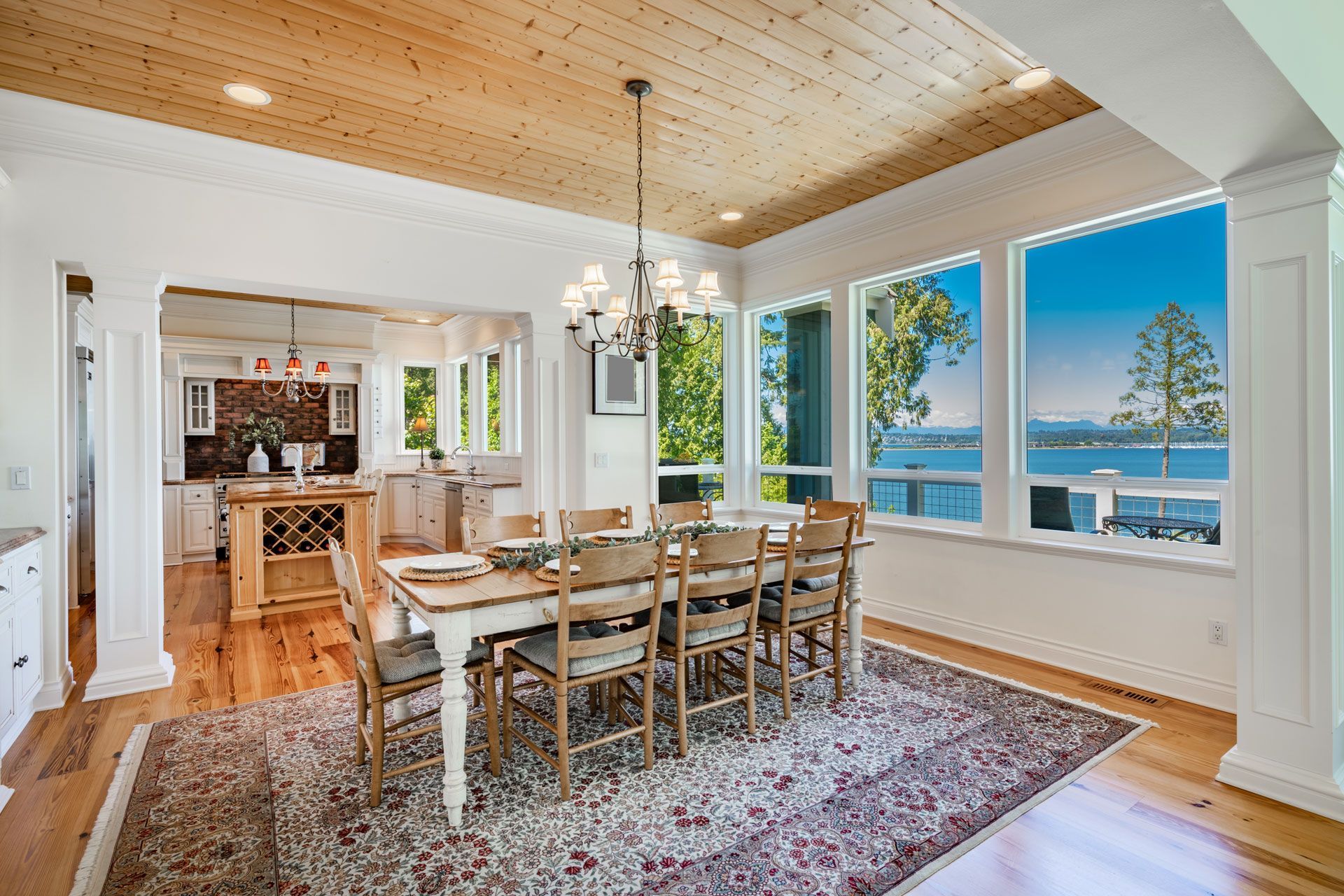
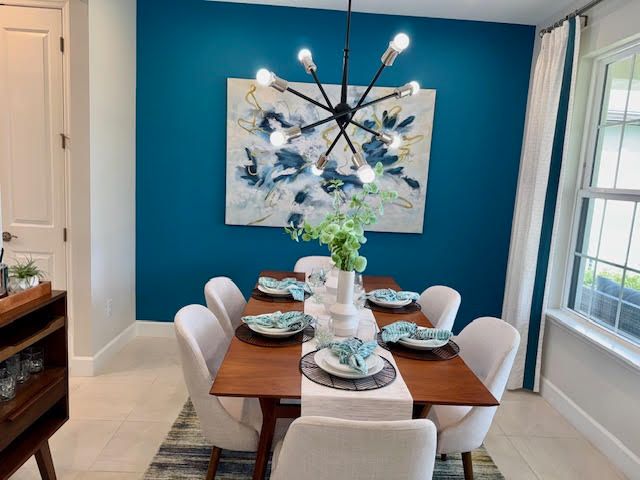
- Highlight lifestyle, not just structure: Set the dining table, place a magazine or coffee cup on a side-table, show the backyard as an inviting café space. These visual cues help buyers imagine living there.
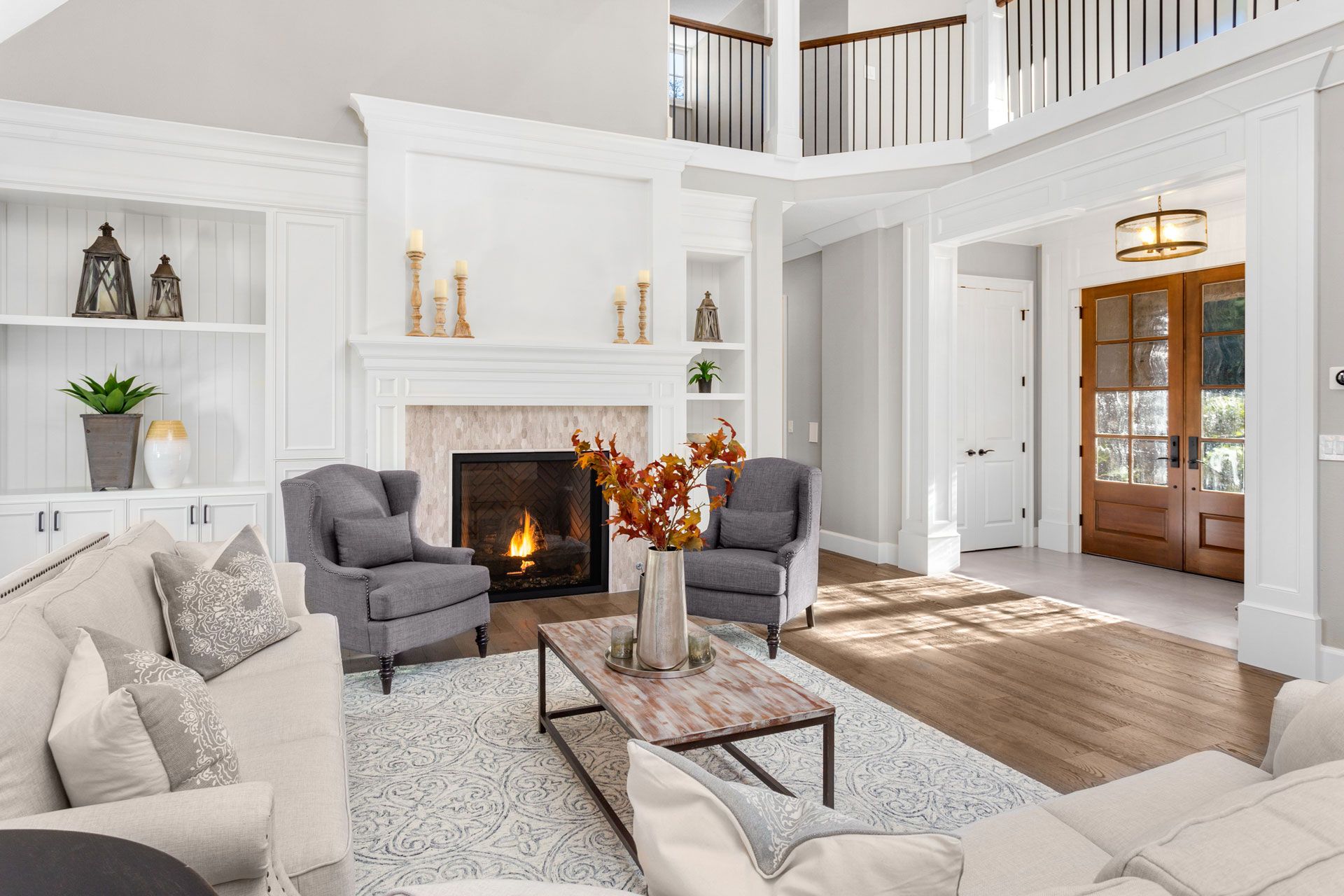
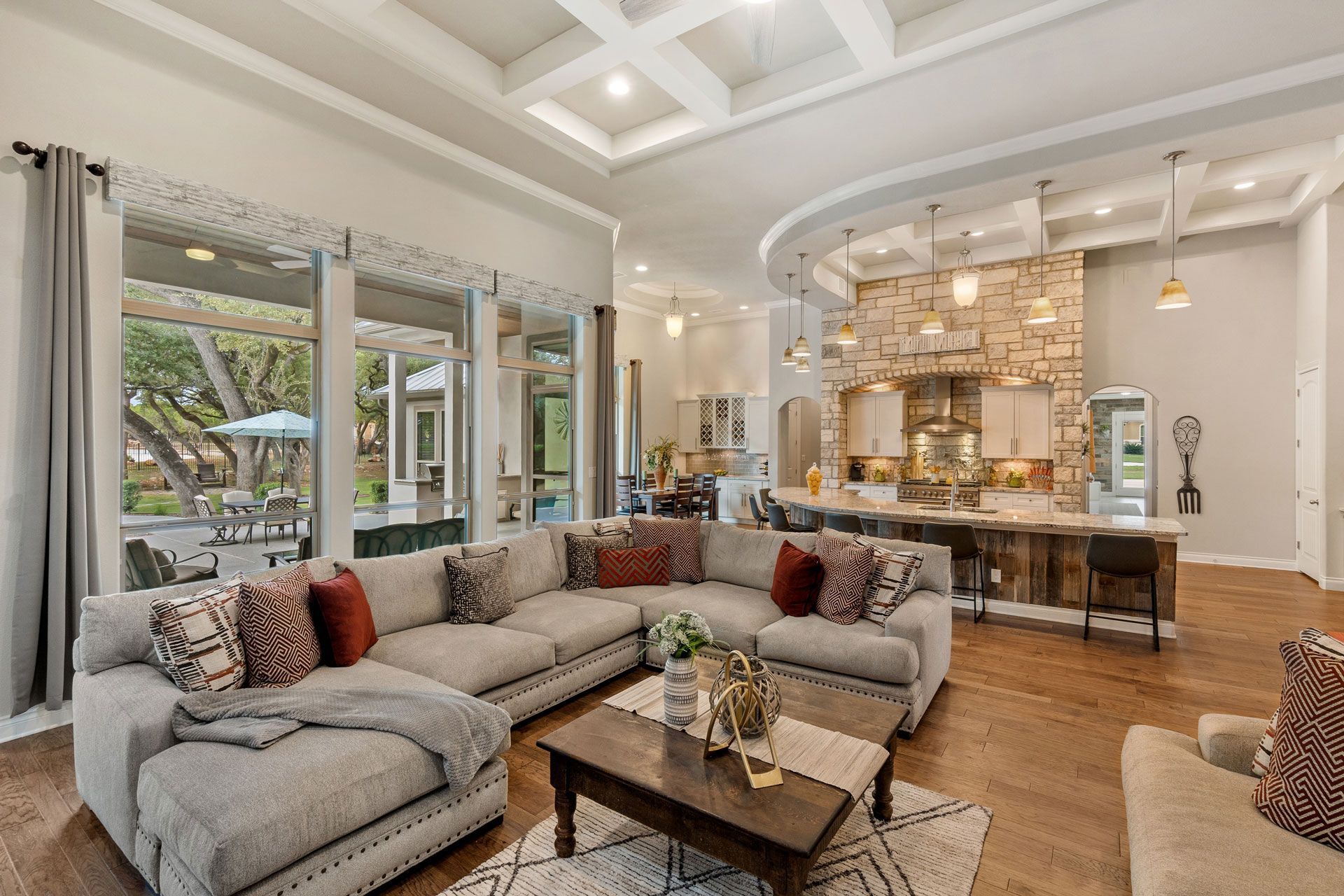
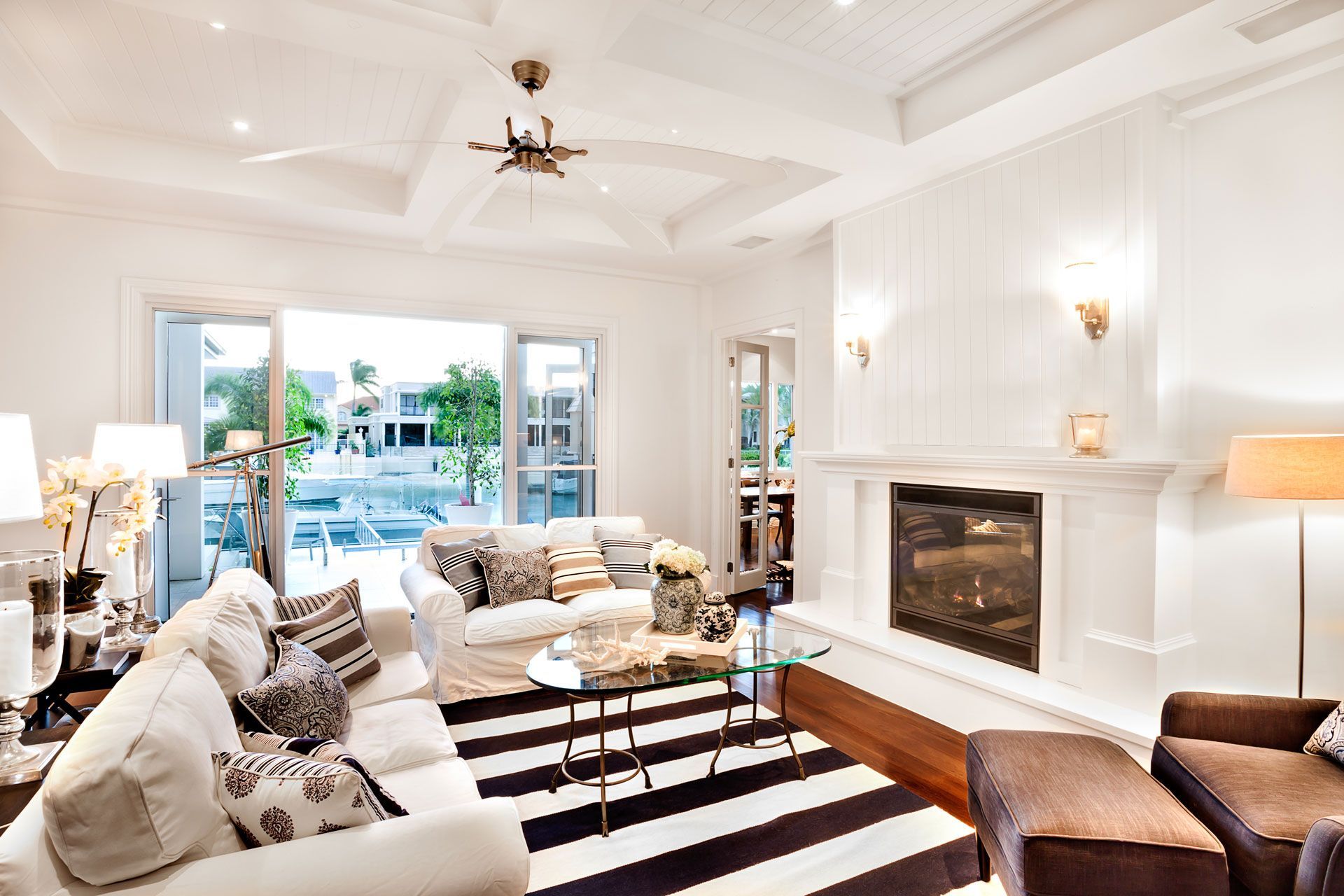
- Focus on key rooms: The living room (cited by 37% of buyer-agents), the primary bedroom (34%) and the kitchen (23%) are highest impact.
- Staging accessories with purpose: Use crisp linens, fresh flowers, a statement cushion to add texture or color, but keep furnishings moderate so the space appears larger.
- Tell the story in listing photos:
Use rich images that evoke lifestyle—kids playing, couple relaxing, balcony breakfast—so the buyer sees themselves in the home.
Anecdote
One seller I worked with had a modest rural home. We staged the patio with a simple bistro set, lanterns and fresh throw pillows. In the open-house photos, that outdoor scene became a “story” of Sunday morning coffee. Inquiry calls doubled. The house sold within four days, above asking. That shows: styling for emotion works.
Secret #3: Optimize Presentation & Lighting – Photo-Ready, Web-Rated, Buyer-Ready
Why presentation and tech matter
In our digital-first world, most buyers start online. According to NAR, 73% of buyers’ agents say having photos is highly important; 57% say physical staging is highly important; and 43% virtual tours. A great listing photo can make or break first impressions, and staging significantly improves those images.
Tips to optimize presentation for top dollar
- Professional photography: Hire a photographer who knows wide-angle, high dynamic range, and uses natural light. Good photos increase click-throughs, which can drive higher offers.
- Bright and inviting lighting: Dark rooms turn buyers away. Ensure each room has ambient, task and accent lighting, as appropriate. Open curtains, clean windows, turn on all lights for showings.
- Curb appeal counts: 44% of buyers won’t even schedule a showing after viewing online if exterior looks weak.
- Create virtual-friendly staging: Ensure staging looks good both in person and on screen—it has to translate to the web.
- Optimize image alt-tags and listing copy for SEO: Use keywords like “home staging for top dollar”, “sell home fast”, “buyers top dollar staging” in listing photo alt-tags and the article writing.
- Mobile-friendly layout:
More than half of buyers view listings on mobile devices. Use short paragraphs, sub-heads, bullet lists.
Bringing It All Together – How These Three Secrets Create Top Dollar
When you combine:
- Space & simplicity via decluttering and defining purpose
- Emotional storytelling through styling key rooms and living-vision cues
- Professional presentation and photo-ready staging—you create a compelling listing that speaks to both the logic (square footage, functionality) and emotion (aspiration, lifestyle) of buyers. The data backs it: staged homes sell faster and for better offers. According to NAR, almost half of agents reported shorter market times. In contrast, skipping any one of these steps may mean leaving thousands—or tens of thousands—on the table.
How to Implement This in Your Timeline & Budget
4-Week Timeline Example
- Week 1: Declutter and depersonalize. Pack off-site storage or self-storage. Focus on living room, primary bedroom, kitchen.
- Week 2: Neutral paint, minor repairs, refresh lighting, clean windows. Stage key rooms with rented/borrowed pieces if budget limited.
- Week 3: Hire professional photographer, prepare listing copy integrated with keywords (e.g., “home staging for top dollar”, “listing presentation tips”).
- Week 4:
Review staging photos, optimize for mobile, finalize listing; schedule open house and showings.
Budget-Friendly Tips
- Use your existing furniture; rearrange instead of buying new.
- Rent rather than purchase staging pieces for key rooms.
- Focus on three high-impact rooms (living, bedroom, kitchen) rather than every room.
- Leverage DIY cleaning and lighting tweaks rather than full remodels.
Get in Touch for Expert Staging
Ready to transform your space? Reach out to discuss how our professional staging services can make your home stand out and attract more buyers.
We look forward to helping you create a space that sells.