
Why Vacant Homes Need Staging More Than Anyone Think
Why Listing a Vacant Home Might Be Costing You
Have you ever walked into a house that felt … just plain cold? Vacant homes—no furniture, echoes down the hall, bare walls—are surprisingly common in the market. Yet many sellers overlook one key fact: an empty property doesn’t just sit quietly—it sends signals. The big question this article will address: Why do vacant homes need staging more than people think? We'll explore the reasons, dive into the data, and provide actionable staging tips tailored for empty homes, so you can maximize your listing’s appeal, reduce days on market, and increase return. Using keywords like vacant home staging, empty house for sale, listing photos staging, sell faster vacant property, home staging for vacant homes, we’ll build a blog post that’s rich in value and SEO-optimized to reach the right audience.
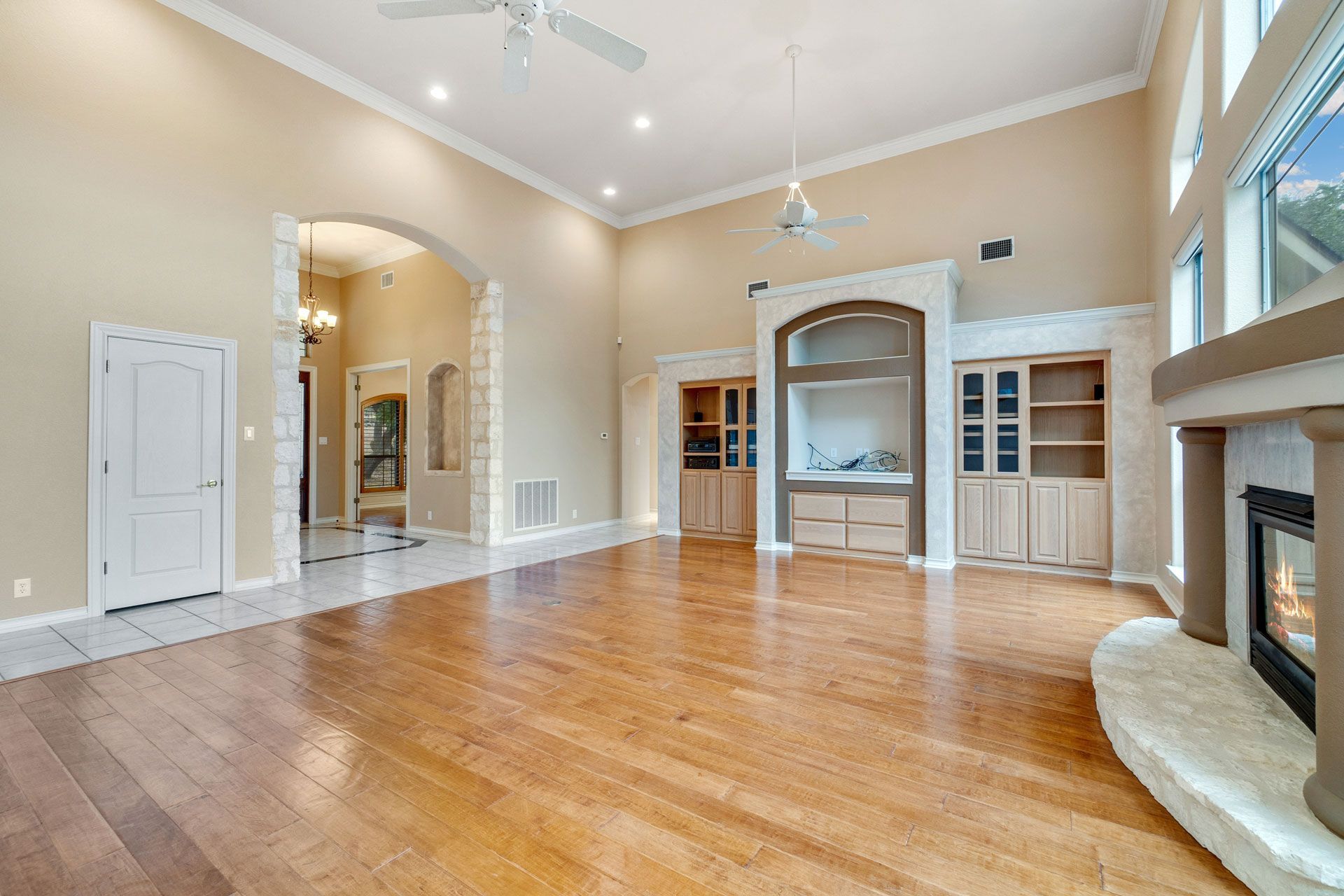
Section 1: The Cold, Empty Reality of Vacant Homes
Why emptiness works against you
When a home is vacant, even a beautifully built, upgraded property struggles to connect with buyers. According to a guide from National Association of Realtors (NAR):
“An empty house can be a hard sell. Without furniture or decor … even incredible spaces can feel cold and awkward.”
A few key problems with vacant homes:
- Lack of scale: Without furniture or visual anchors, buyers struggle to judge room size or layout.
- Emotionally unengaging: Buyers often purchase based on emotion. An empty room is neutral at best, detached at worst.
- Online disadvantage: Since ~95%+ of buyers start online, listing photos matter. Vacant rooms often look bland and receive fewer clicks.
- Skepticism signal: A vacant home may raise buyer questions—“Why is it empty? Has it sat too long?”—which can negatively impact perceived value.
- In short: vacancy is not neutral—it can actively hinder your marketing narrative. Recognizing this reality is the first step.
Section 2: Data-Driven Reasons Vacant Homes Benefit Most From Staging
The numbers speak
Vacant homes don’t just need staging—they arguably benefit the most from staging, according to research. Some compelling stats:
- The Zebra reports that 41% of top real-estate agents believe vacant homes benefit the most from home staging.
- Data from the Real Estate Staging Association (RESA) shows that vacant homes averaged ~184 days on market, but when staged, that number could drop to ~23 days.
- NAR noted that 83% of buyer agents said staging made it easier for buyers to visualize the property as their future home.
- Case studies show staged vacant homes often sell for 6-10 % more (or more) than similar non-staged homes.
Why vacant homes in particular benefit
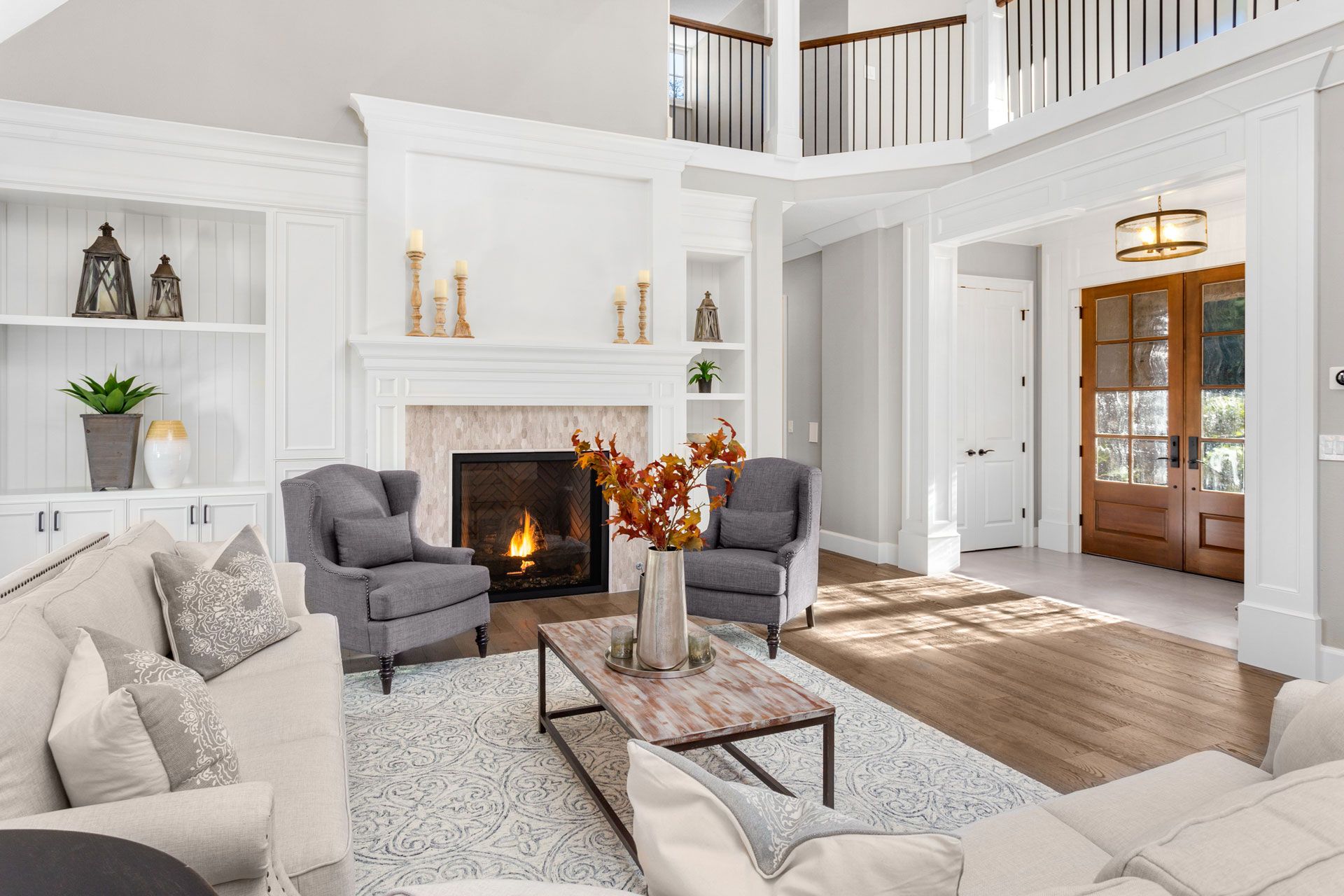
- Without staging, all the cognitive burden falls on the buyer to imagine how the space will look furnished and lived-in. That extra mental effort can reduce interest.
- Furniture gives context and scale—helping rooms feel larger and more purposeful. In fact, emptiness can make a room appear smaller.
- Staging helps highlight features and minimize flaws—without staging, imperfections in an empty home become highly visible. In short: for a vacant home, staging is less of a luxury and more of a market necessity.
Section 3: Three Key Benefits of Staging a Vacant Home
Benefit 1: Helps Buyers Visualize Their Life
When your home is staged, buyers see how they would live, not just empty walls. According to Redfin:
“Staging helps buyers move from ‘Can I live here?’ to ‘I want to live here.’” Actionable tip: Prioritize staging the living room, primary bedroom and kitchen—these are the rooms most likely to influence buyer decisions.
Benefit 2: Improves Online Appeal & Click-Throughs
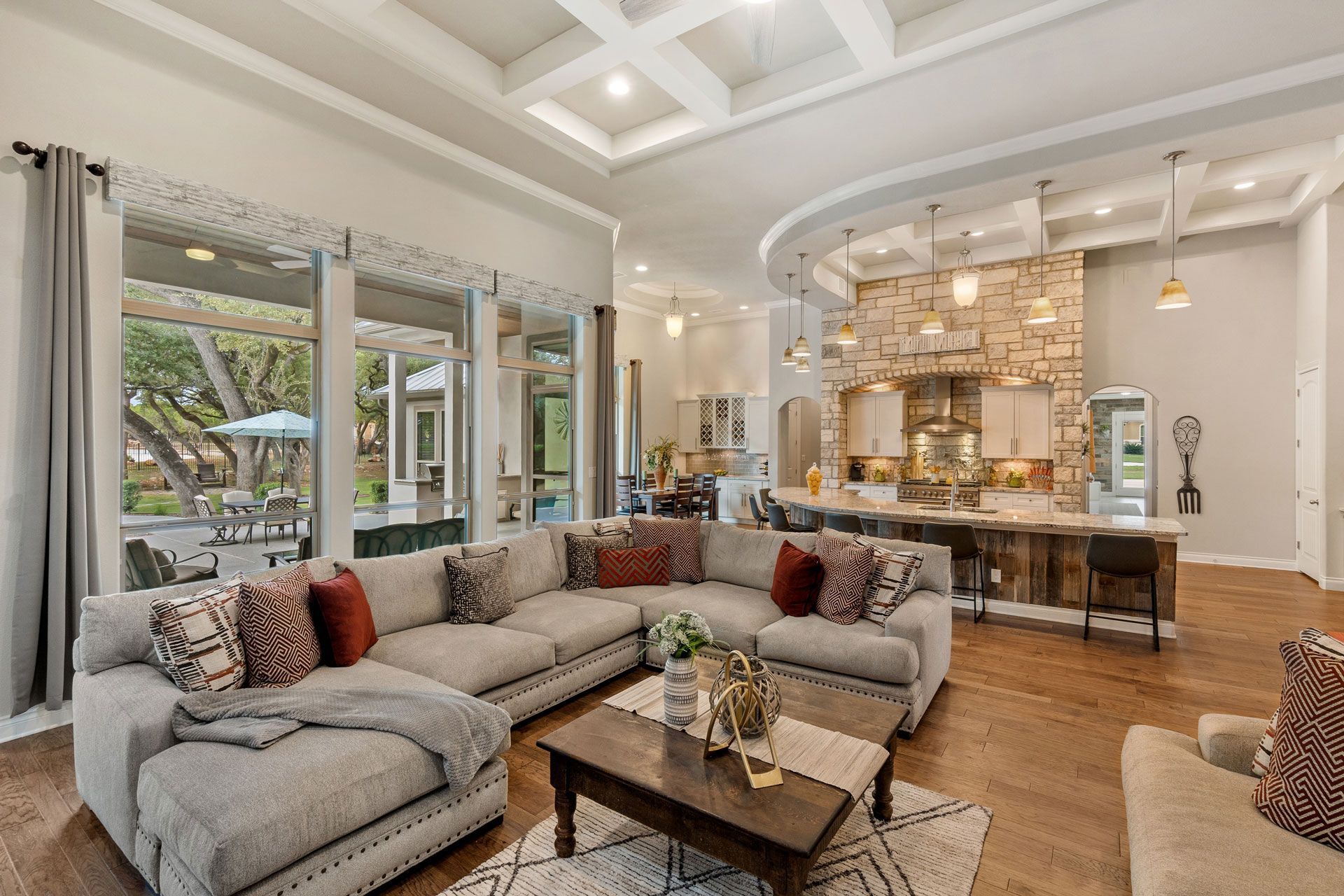
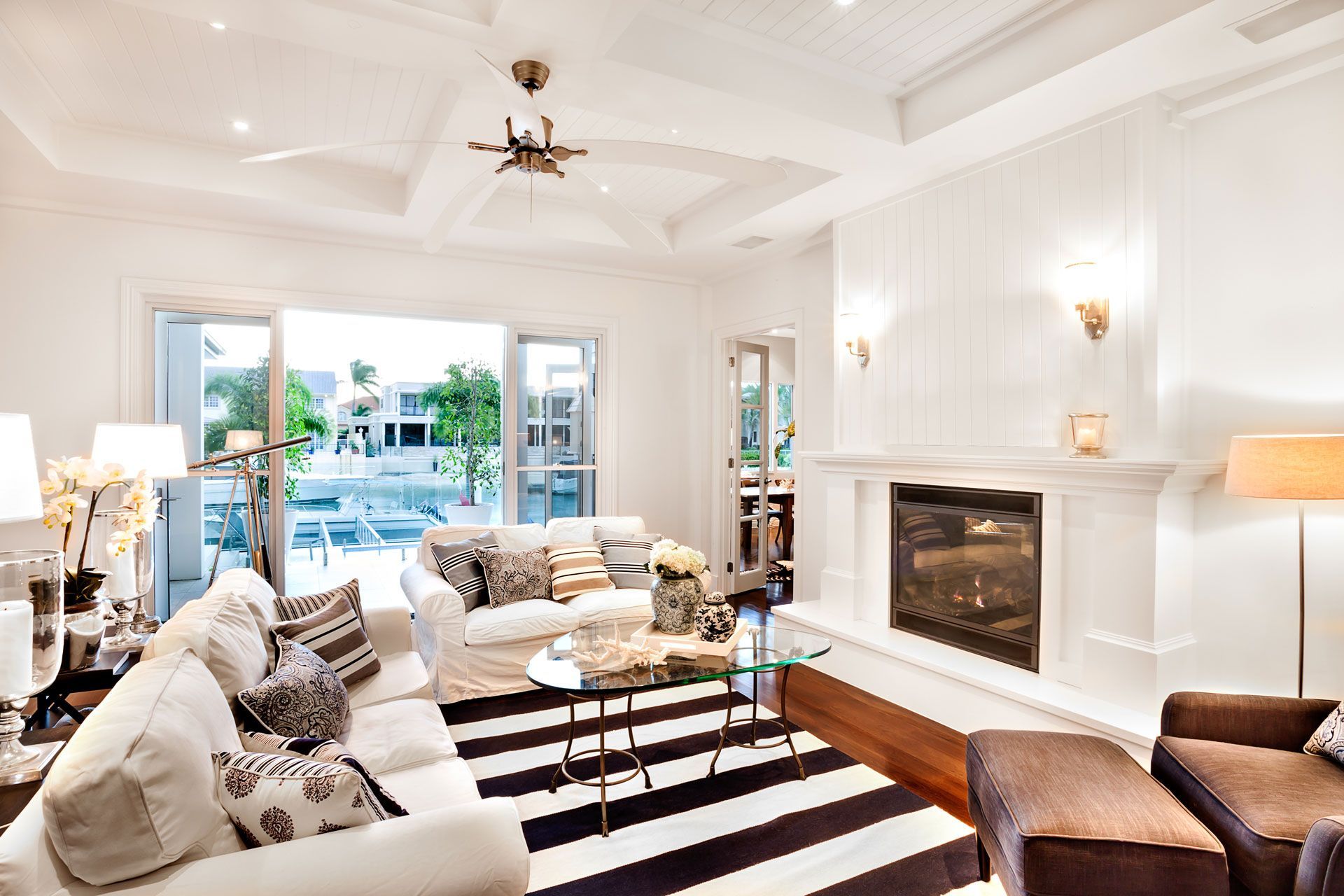
High-quality listing photos are critical. Staged vacant homes tend to:
- Stand out in search results
- Generate more online interest and showings
- Actionable tip: Book professional photography after staging is done to ensure the visuals reflect a fully furnished look that appeals.
Benefit 3: Accelerates Time on Market & Boosts Price
The faster your home sells, the fewer carrying costs you accrue. Data indicates staged homes—especially vacant ones—sell significantly sooner and often at higher offers.
Actionable tip: Budget staging cost as a percentage of your expected sale price (e.g., 0.5 %-1 %) and view it as marketing investment rather than expense.
Section 4: Actionable Plan – How to Stage a Vacant Home Effectively
Step 1: Assess Buyer Demographic & Price Point
Start by identifying your likely buyer (young family, retiree, professional couple) and choose furniture/decor accordingly. A mismatch can reduce effectiveness.
Step 2: Focus on High-Impact Rooms
You don’t need to stage every room. Focus on:
- Living room
- Primary bedroom
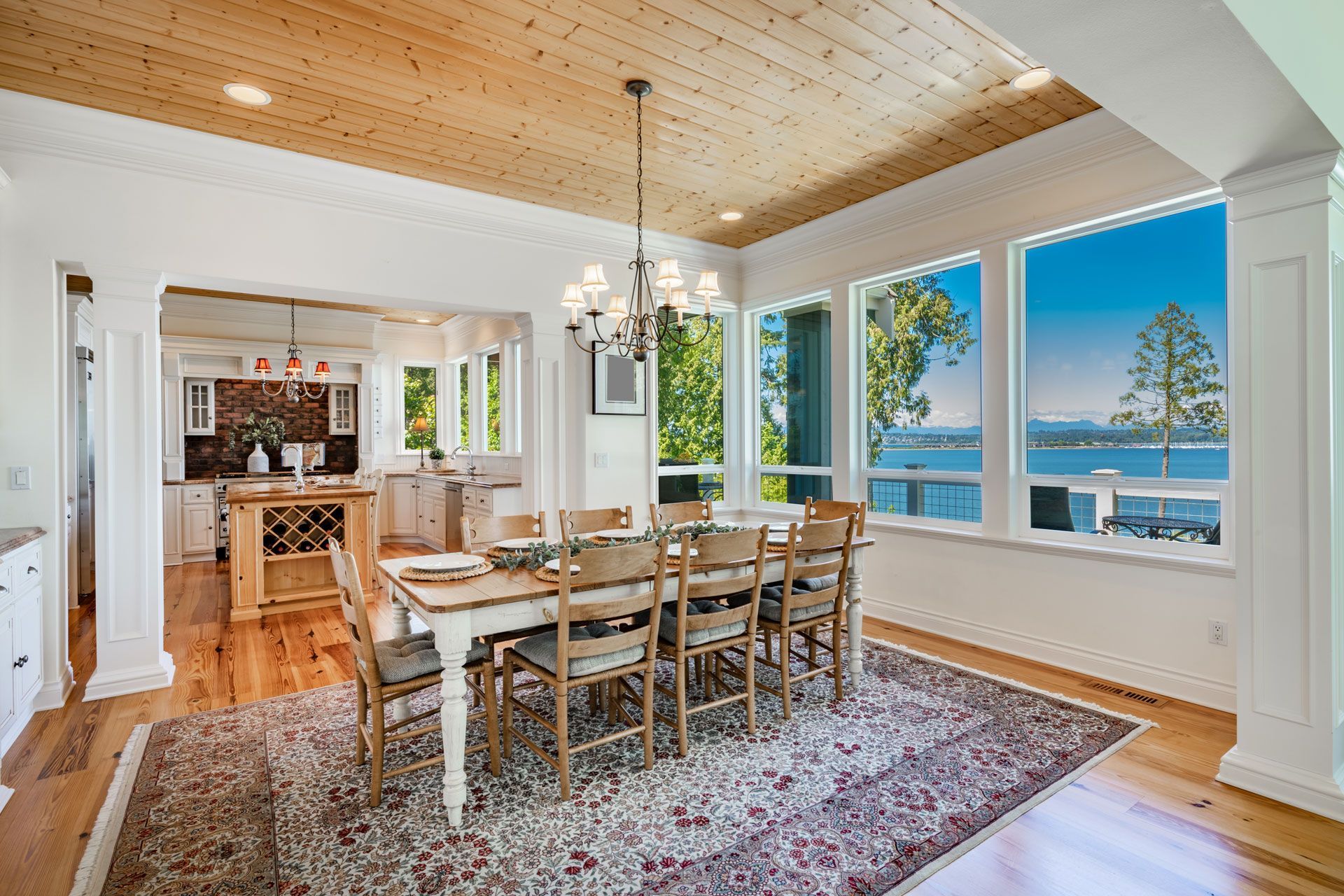
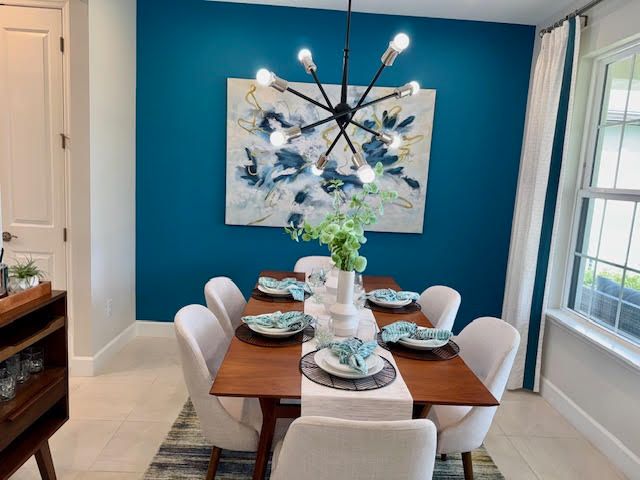
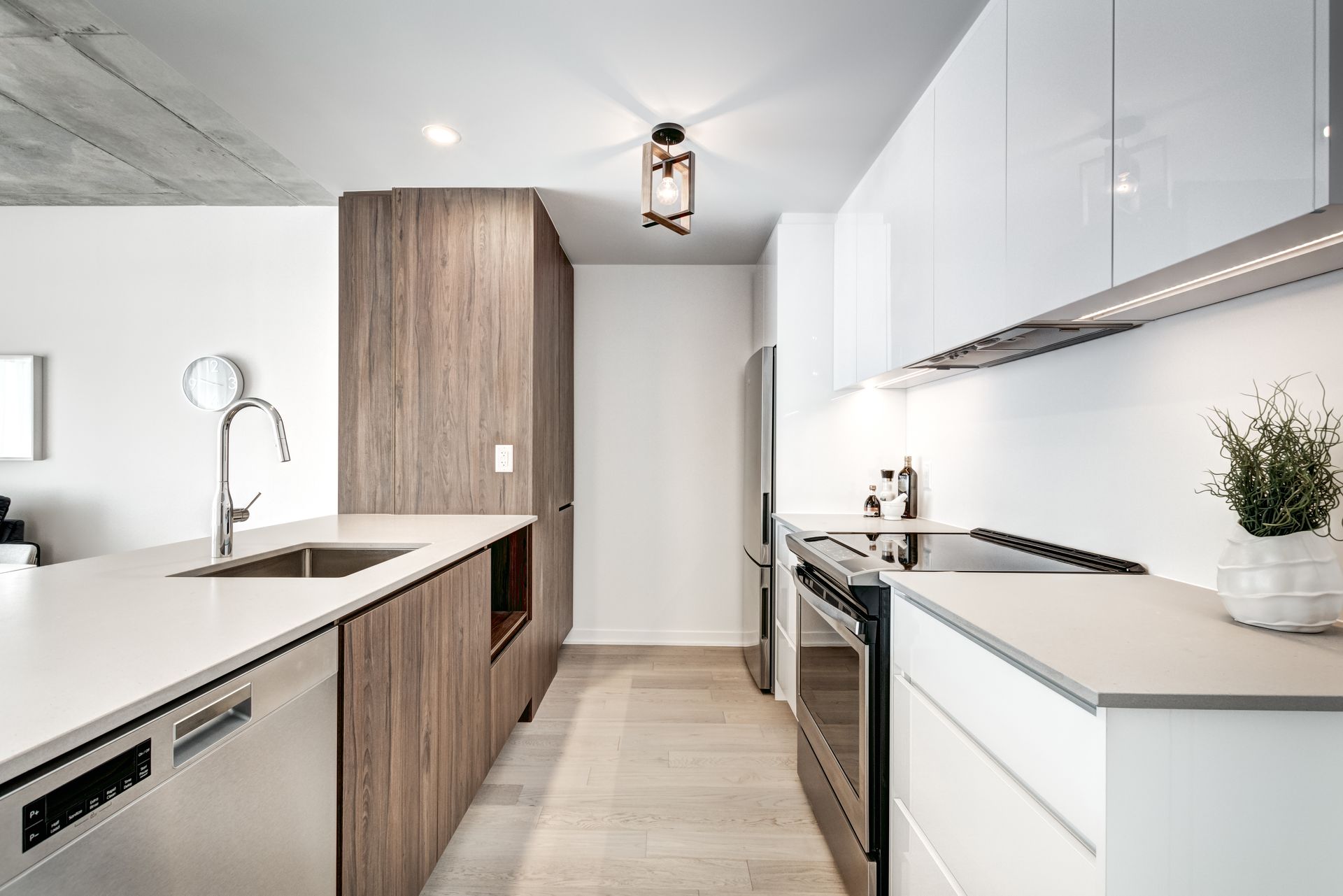
- Kitchen/dining area
- Entryway (sets first impression) According to NAR, these rooms influence most buyer decisions.
Step 3: Choose Furnishings that Enhance Scale & Function
- Use appropriately sized furniture to define space.
- Add rugs, lighting, art, and plants to create warmth and reduce echo.
- Avoid over-filling rooms; stage to suggest use rather than crowd.
Step 4: Optimize for Photography & Online Listing
- Book professional real-estate photographer after staging.
- Make sure photos are bright, well-lit, and show furniture in flow.
- Include virtual tour if budget allows—based on recent data, videos and virtual tours influence buyers.
Step 5: Maintain the ‘Move-In Ready’ Feel
Even though it’s vacant, ensure:
- Cleanliness and no visible construction/storage clutter
- Neutral décor without too many personal items
- Furniture and décor remain intact until sale closes
Bonus Tip: Consider Virtual Staging if Budget-Sensitive
If actual furniture rental is too costly, virtual staging may be an alternative—especially effective in online photography. Just ensure you disclose if listing is virtually staged.
Section 5: Common Mistakes & How to Avoid Them
Mistake #1: Staging Too Late
If staging happens after listing launch, you miss the peak interest window. Always stage before professional photos and listing goes live.
Mistake #2: Over-Furnishing or Mismatching Styles
Too many pieces or overwhelming décor can detract. For vacant homes, less is often more—the aim is to highlight space & function.
Mistake #3: Ignoring Curb Appeal
Just because the home is vacant doesn’t mean the exterior can be neglected. A poorly maintained exterior signals risk to buyers.
Mistake #4: Neglecting Online Presentation
Photos of bare rooms rarely “pop”. Ensure lighting, staging and photography are optimized. The listing’s first impression is often what drives showings (or not).
Mistake #5: Forgetting Budget ROI
While staging is an investment, many sellers treat it like a cost. Factor staging into your marketing budget and compare potential uplift vs carrying cost of a stagnant listing.

Get in Touch for Expert Staging
Ready to transform your space? Reach out to discuss how our professional staging services can make your home stand out and attract more buyers.
We look forward to helping you create a space that sells.