
The ROI of Home Staging: Numbers Don’t Lie
Why Home Staging Isn’t Just a Nice-to-Have, It’s a Strategic Investment
You’ve set the listing price, polished the curb appeal and hired a top agent—but your property still feels like it's just another listing. In today’s competitive real-estate marketplace, that can cost you. The big question is: What is the real return on investment (ROI) of home staging? This article digs into the numbers, unveils research-backed data on how staging impacts sale price and time on market, and lays out actionable tips so you can treat home staging not as a décor expense, but as a strategic marketing investment. We’ll weave in keywords like home staging ROI, sell home faster, increase home value staging, staged home statistics, and more, to ensure the content is both practical and SEO-optimized.
Section 1: The Data Speaks — Staging Delivers Measurable Results
Real-life statistics that validate the value of staging
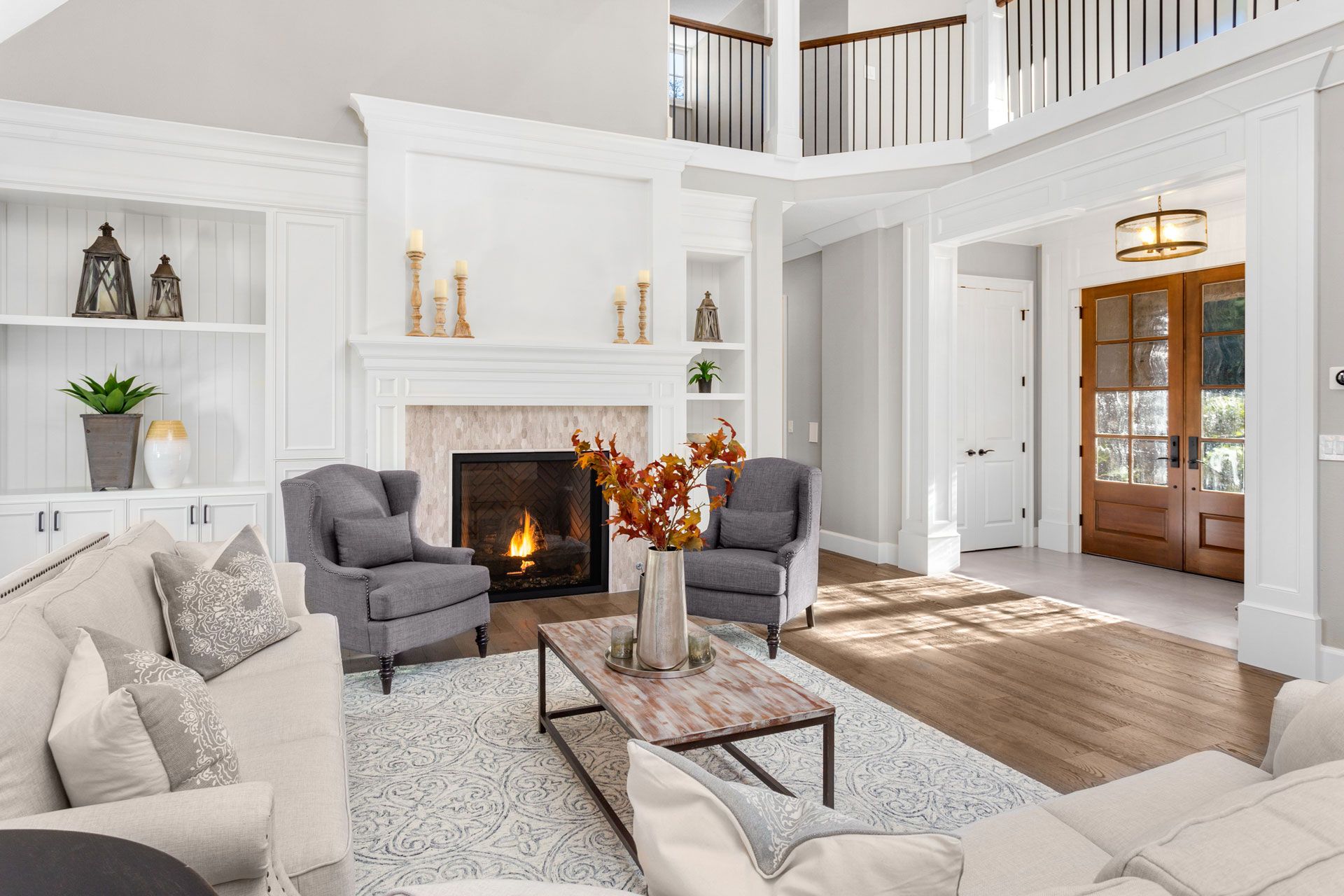
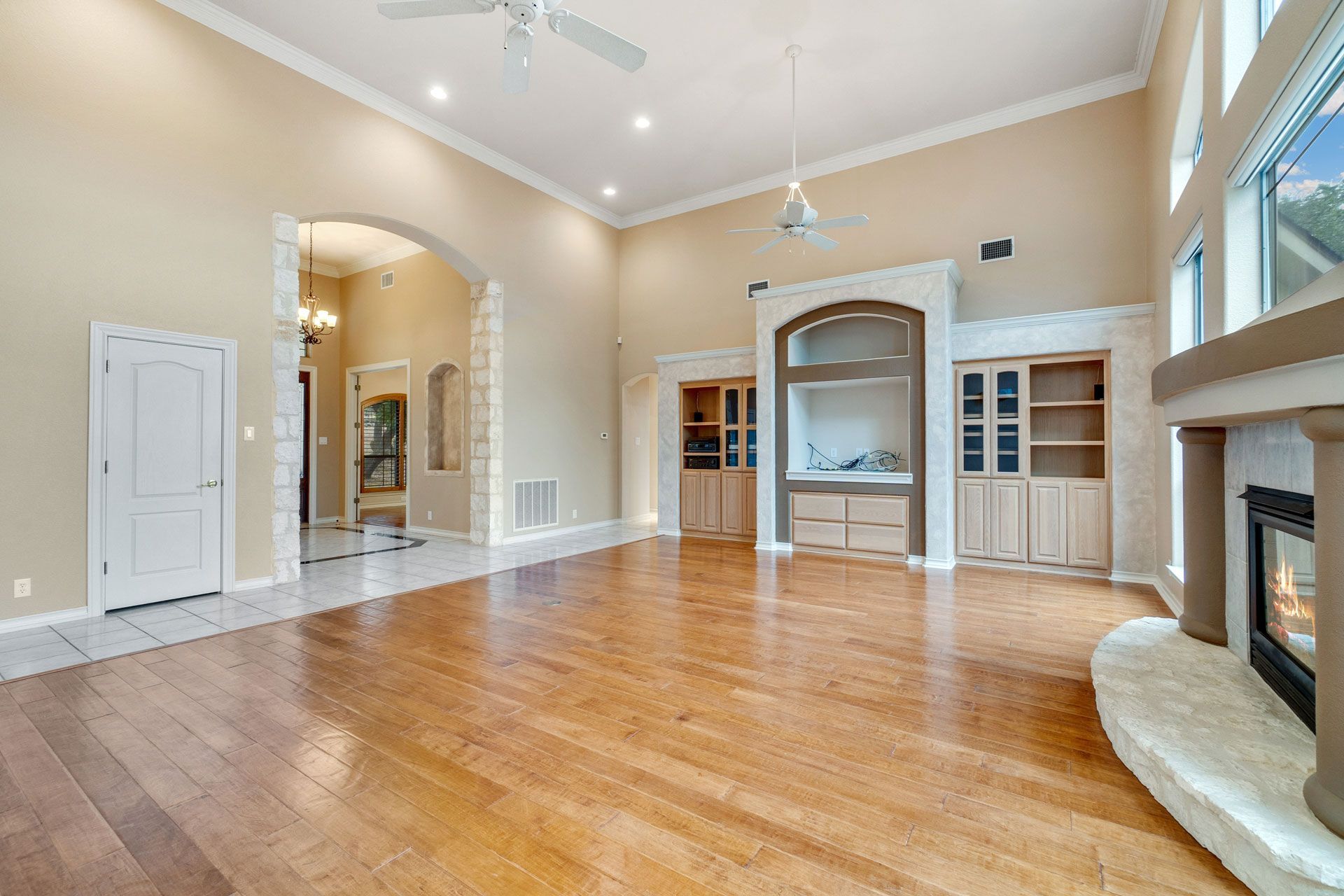
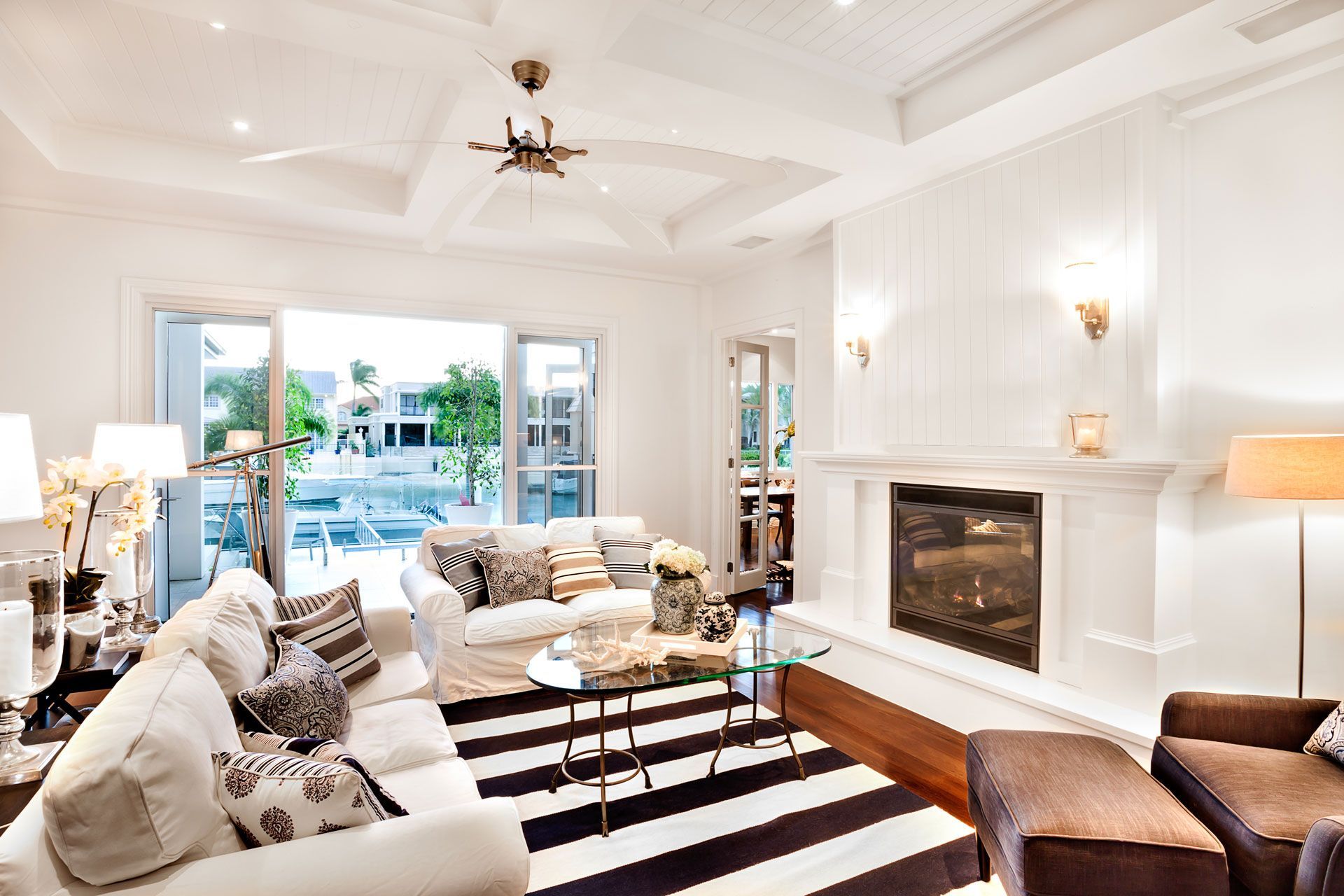
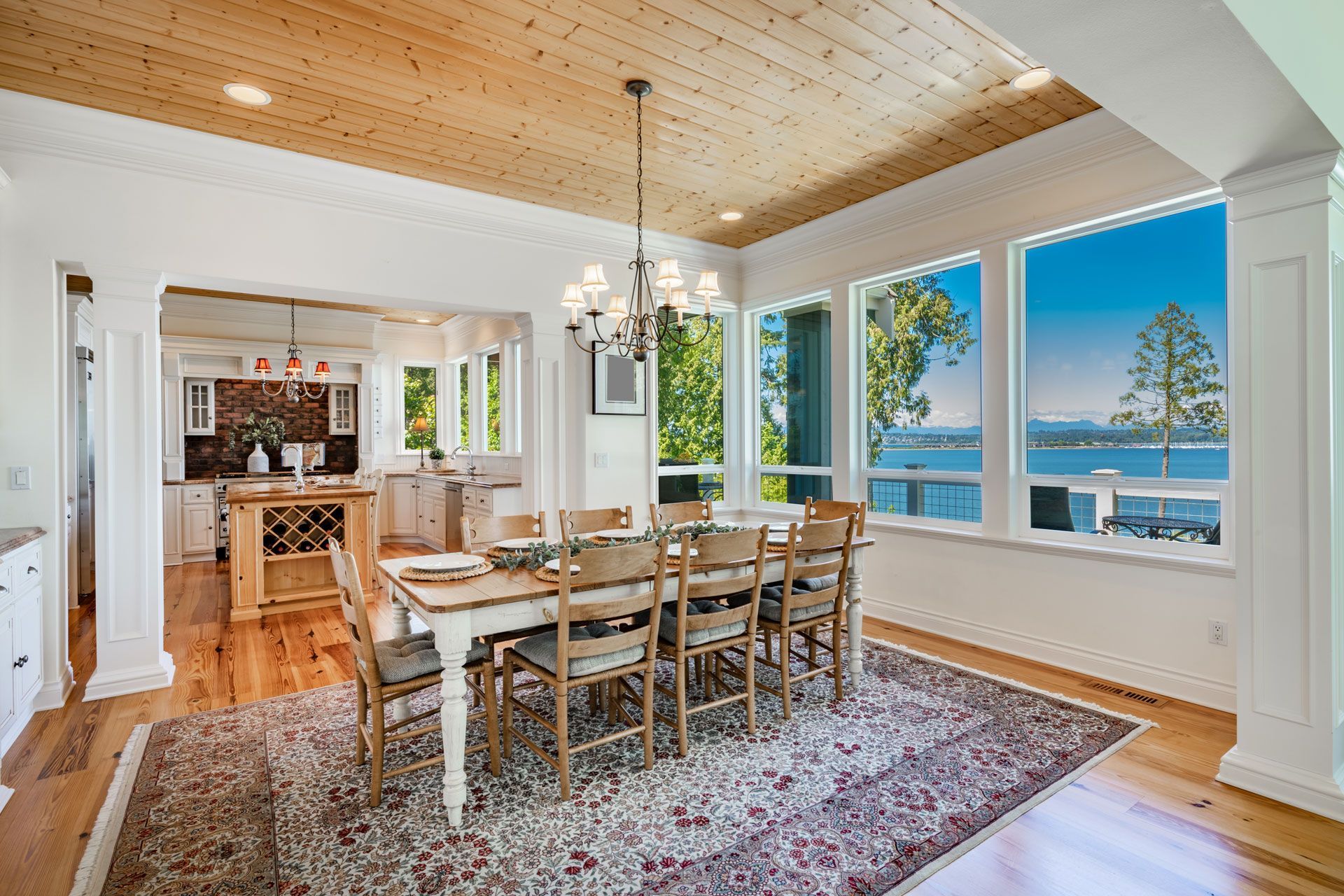
When sellers ask “Is staging worth it?”, the numbers are clear. According to the Real Estate Staging Association (RESA®), homes staged in Q1 2025 showed an average ROI of 2,334%—meaning roughly $23.34 return for every $1 spent. They also sold in an average of 12 days.
Another source shows that professionally staged homes can spend 73% less time on the market. And the National Association of Realtors (NAR) reports that 83% of buyer-agents say staging makes it easier for buyers to visualize the home as their future residence.
Key take-aways from the stats
- Staging is more than cosmetics—it influences buyer behavior and perceived value.
- Even modest investments in staging often yield thousands of dollars in added sale price.
- Time on market is dramatically reduced for staged homes, lowering carrying costs and risk.
Section 2: Understanding What “ROI of Home Staging” Really Means
What is ROI in this context?
Return on investment (ROI) for home staging means comparing the cost of staging to the incremental gain—whether higher sale price, faster sale, or both. For example: if you spend $3,000 on staging and your home sells for $9,000 more than it otherwise would, the ROI is 300%.
Beyond sale price: the other ROI components
- Reduced time on market: Every extra day a home sits equals mortgage, taxes, utilities and potential price concessions.
- Better negotiating position: A well-staged home creates fewer objections and often draws multiple offers.
- Stronger online presence:
With most buyers starting online, professional photos of a staged home increase clicks and showings (thereby improving competition).
Real-world example
A seller I worked with spent $3,500 on staging for their $600,000 home. The home sold within 12 days for $635,000. That’s a $35,000 increase—an ROI of roughly 900%.
Section 3: What Drives Staging ROI — Key Factors That Move the Needle
Factor 1: Listing presentation timing
Homes staged before going live generate more traction than those staged later. One report shows that properties staged pre‐listing generate 73% more online views.
Factor 2: Target buyer demographic and price tier
Higher-end and move-in-ready homes often see stronger staging ROI. For example, Done & Done Home’s 2025 data showed ROI rising from ~193% in the $200k-$350k bracket to ~291% in the $1M+ range.
Factor 3: Quality of staging & photographic execution
Staging alone isn’t enough—the photography, layout, lighting, staging style all influence buyer reaction and online appeal. If staging looks low-quality or mismatched, it may underperform.
Factor 4: Market conditions
In a seller’s market you might get strong offers without staging, but in a balanced or buyer’s market, staging becomes a key differentiator. Knowing your local conditions matters.
Section 4: Step-by-Step Plan to Maximize Your Home Staging ROI
Step 1: Set your budget and expectations
Treat staging as part of your marketing budget—1–3% of asking price is common. NAR notes a typical staging cost between 1%–3% of list price and a resultant value increase of 8–10%.
Step 2: Prioritize the highest impact rooms
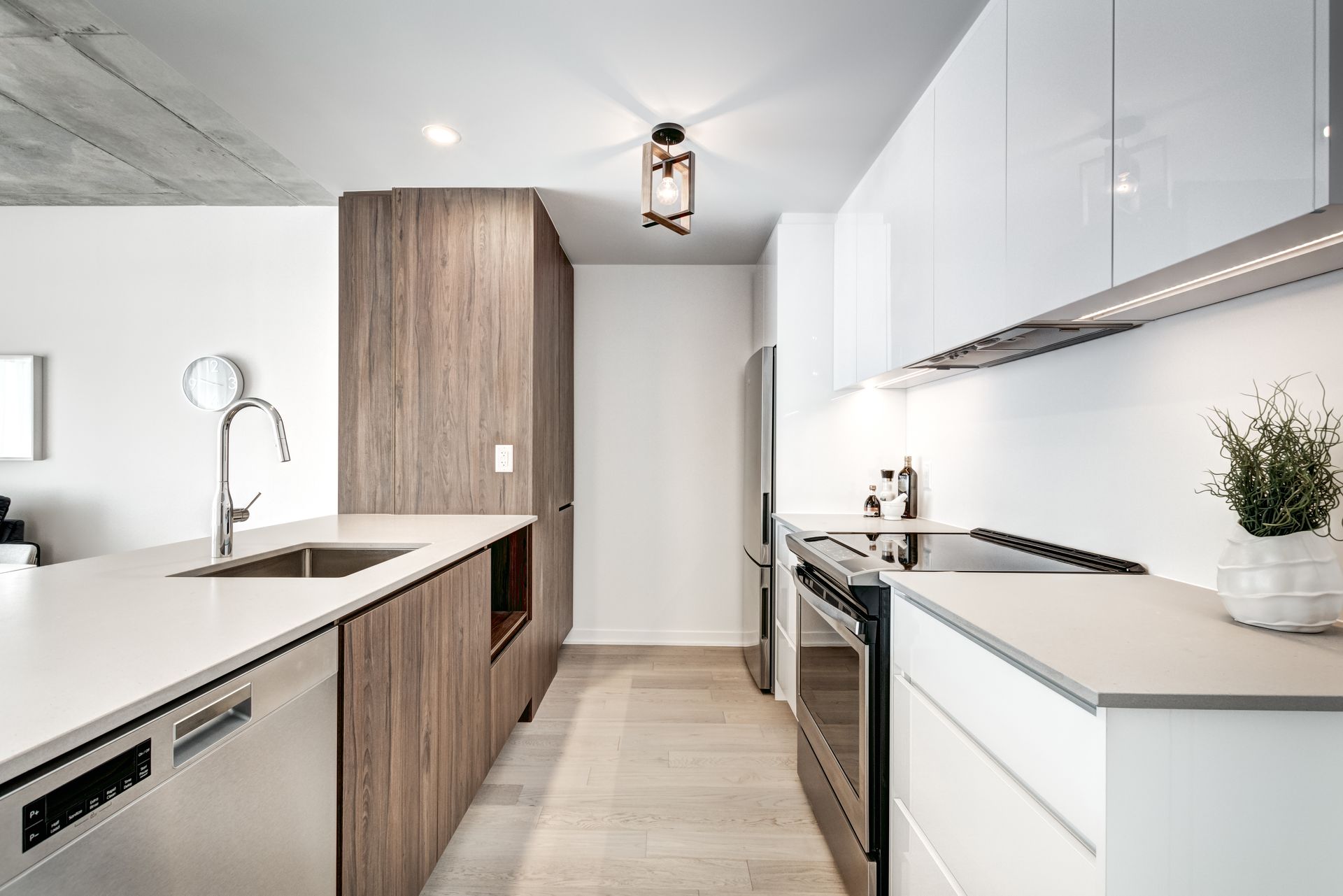
Focus on rooms that buyers care most about: living room (46%), primary bedroom (43%), kitchen (35%) according to HomeLight’s summary of staging surveys.
Step 3: Hire a professional stager or consultant
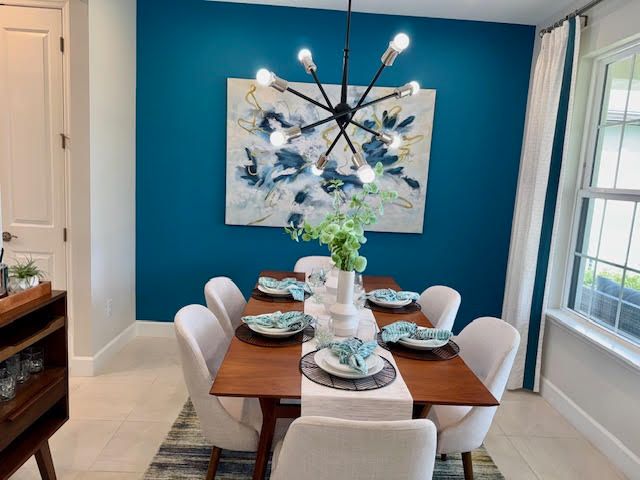
Working with a pro will help you match style to buyer demographic, select furniture of proper scale, coordinate lighting and layout, and produce photos online.
Step 4: Coordinate staging with photography and listing launch
Ensure the home is staged before listing photos are taken and the home hits the market. Staging after listing creates lost opportunities.
Step 5: Track and measure your results
After sale, compare days on market, sale price vs list price, and estimate your ROI. Use this to evaluate decisions for future listings.
Section 5: Common Staging ROI Mistakes to Avoid
Mistake #1: Under-investing or doing DIY minimal staging
While DIY can help, skimping too much may yield poor results and limit ROI. Using professional talent often makes a significant difference.
Mistake #2: Delay staging until after listing goes live
Mistake #2: Delay staging until after listing goes live
Mistake #3: Ignoring online presentation
Even excellent staging can fail if photography and listing marketing are sub-par. Remember: most buyers begin online.
Mistake #4: Mismatching staging style to target buyer
If you stage a suburban family home like a bachelor pad or vice versa, you risk reducing buyer connection and diluting ROI.
Mistake #5: Not considering carrying cost savings in ROI
Focusing only on sale‐price uplift ignores the value of reduced days on market—less carrying cost means higher net return.

Get in Touch for Expert Staging
Ready to transform your space? Reach out to discuss how our professional staging services can make your home stand out and attract more buyers.
We look forward to helping you create a space that sells.