
How Staging Helps Buyers “Fall in Love” Instantly
Why Some Homes Get Hearts Racing and Others Don’t
When a potential buyer steps inside your property, something magical can happen—they feel it. Suddenly they’re not just browsing a house; they’re picturing Sunday brunch, kids at the table, cozy evenings by the fireplace. That “fall-in-love” moment is what separates a listing that lingers on the market from one that gets snapped up. But how do you create that instant emotional spark? That’s exactly what this article addresses: How staging helps buyers “fall in love” instantly. We’ll dive into the psychology of buyer behavior, reveal staging techniques that trigger emotional connection, and provide actionable tips you can apply to your own listing. Along the way we’ll naturally include key terms like home staging tips, emotional home staging, buyer connection staging, listing presentation, and more—so you get both compelling content and strong SEO.
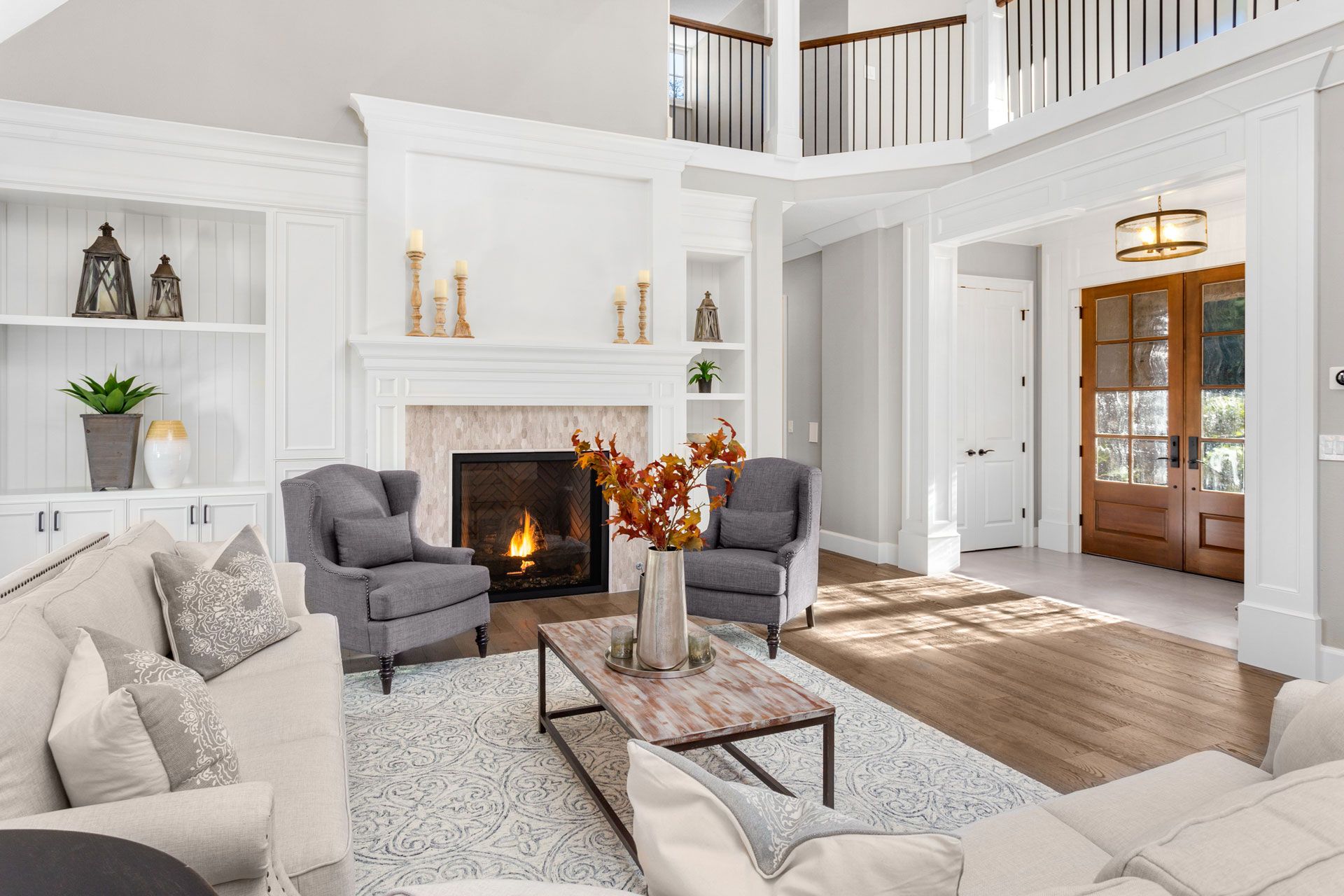
Section 1: The Psychology of Love at First Walk-Through
Why buyers decide in seconds
According to research by the National Association of Realtors (NAR) and other industry experts, buyers often form a lasting impression of a property within the first few seconds of entering. In fact, the blog post from Hollywood Estates notes:
“Real estate may be a financial transaction, but home buying is often driven by emotion. … Buyers decide within moments whether a home feels right.”
When staging hits the right emotional cues—light play, flow, materials, color—the brain registers positive potential. Conversely, when a home feels empty, dark, or awkwardly laid out, buyers mentally move on.
Emotional triggers that matter
Here are key psychological mechanisms at work when staging helps buyers “fall in love”:
- Immediate visual appeal: Good staging creates a strong first impression and sets a tone of “this could be my home”.
- Storytelling / lifestyle cues: Instead of just “4 beds, 2 baths”, staging shows how life might feel—breakfast on the patio, movie night in the living room. One guide called this “micro-stories” in staging.
- Sense of flow and ease: When rooms feel connected and logical, buyers don’t have to work to imagine living there. Cluttered or poorly laid-out spaces trigger mental friction and dampen emotion.
- Perception of move-in readiness: Buyers love the idea of a home they don’t have to fix. A staged home signals care, maintenance and readiness, reducing buyer anxiety.
Section 2: The Three Staging Elements that Make Buyers Say “I Want This”
1. Light, Space & Flow
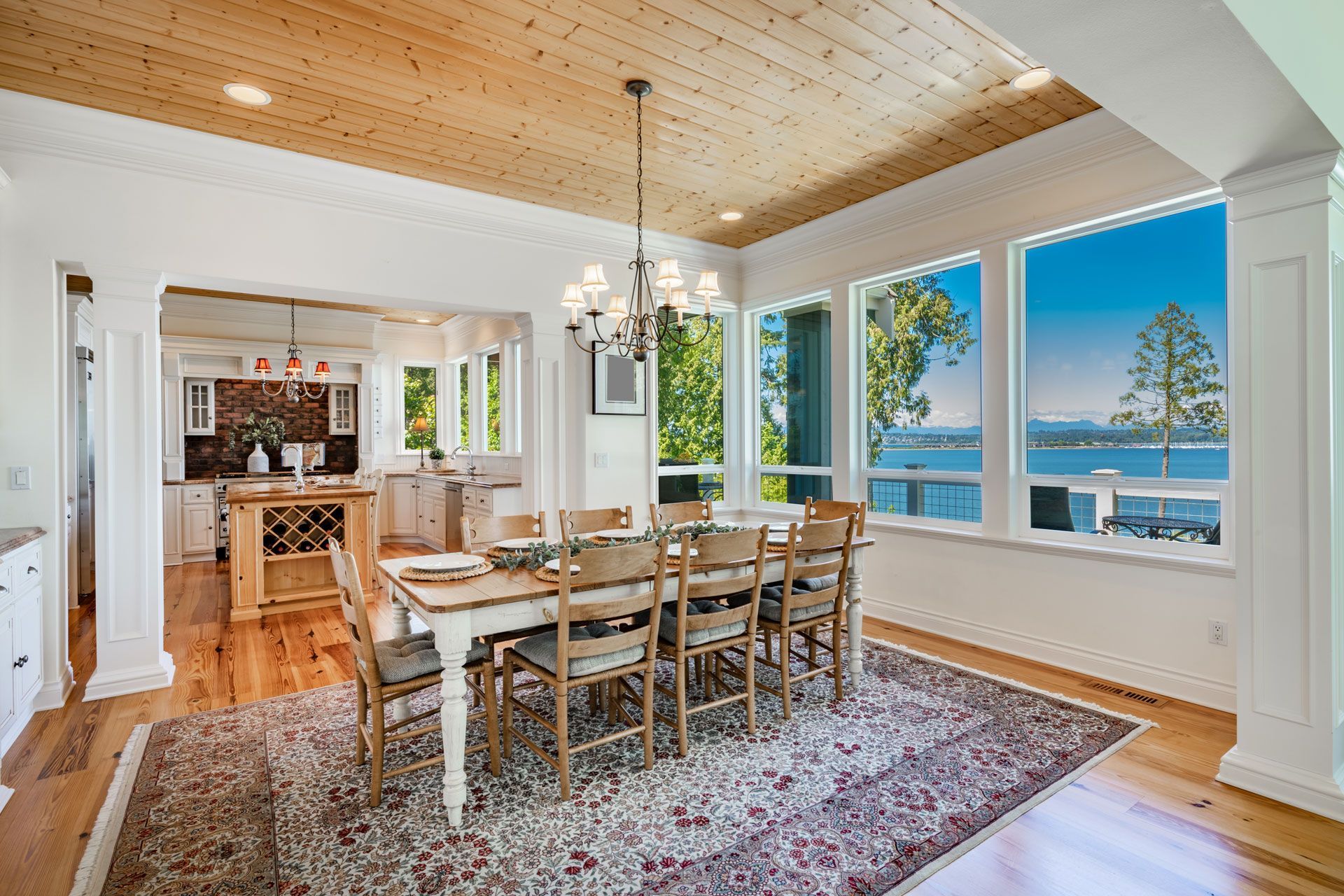
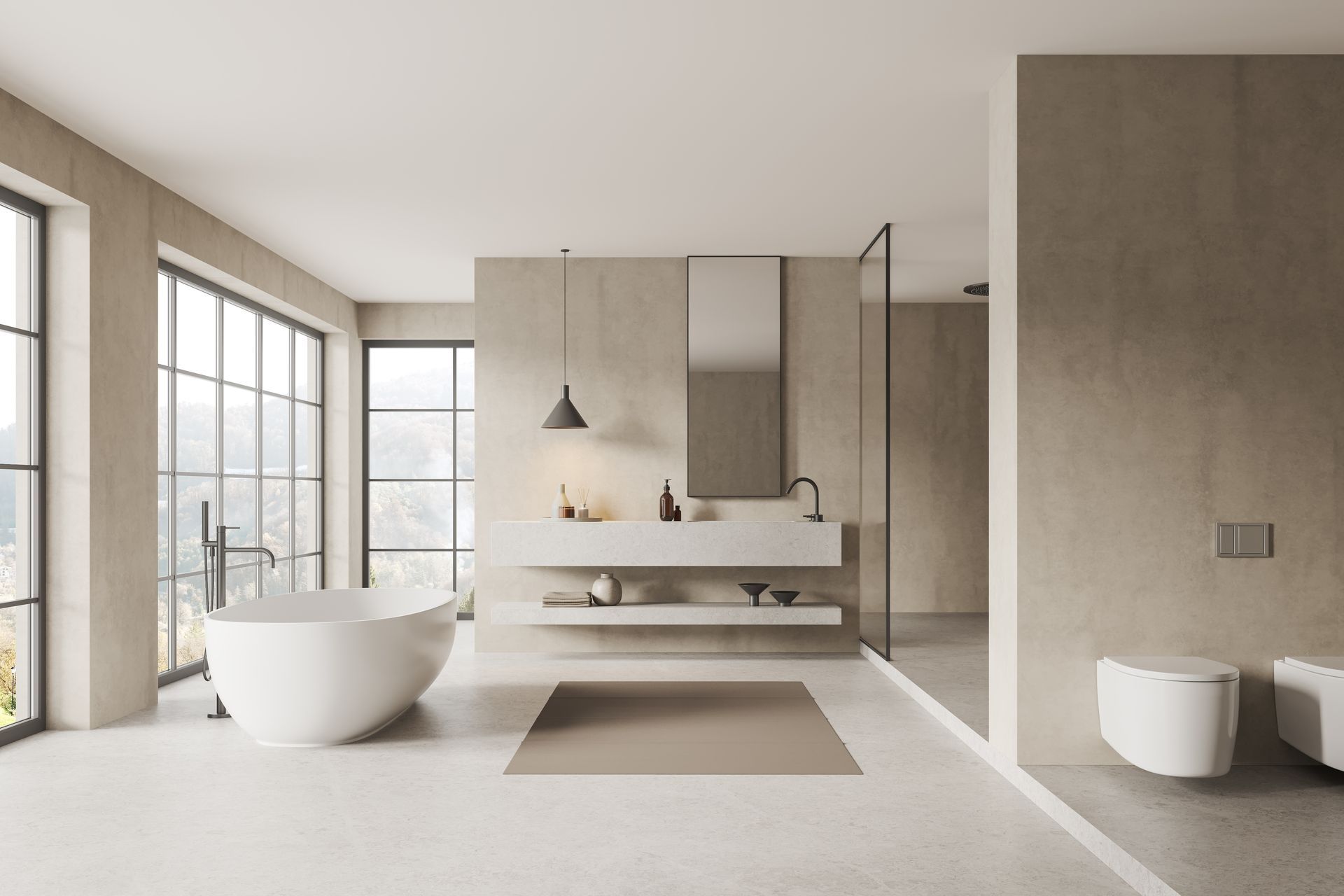
A home that feels airy, bright, and open invites comfort and exploration. According to staging professionals:
“Bright, open spaces consistently make people feel happier and more relaxed.” Actionable tips:
- Let natural light in: open blinds, wash windows, remove heavy drapes.
- Use layered lighting: ambient + task + accent lamps to build warmth.
- Arrange furniture to create open pathways, allow sight-lines into key rooms.
- Use mirrors or light paint to boost perceived size.
When buyers walk in and feel space and light, the “love” mode begins.
2. Styling for Emotion & Imagination
Here’s where staging shows synergy: you’re not just showcasing rooms, you’re telling a story of living. As one staging guide puts it:
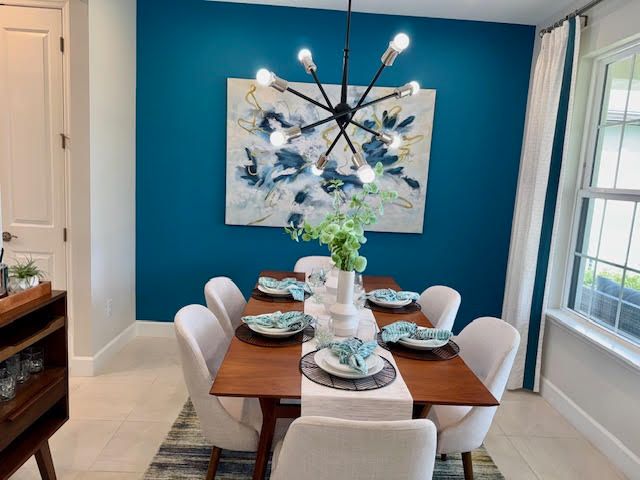
“Set the dining table with elegant place settings… A cushioned bench by a window says ‘reading nook’.” Actionable tips:
- Use vignettes: small scenes like a coffee table with a book + mug, a patio chair with a throw.
- Color and texture: warm neutrals + touches of subtle accent colors (sage, soft blue) help create calm and style.
- Depersonalize: remove family photos and overly niche décor so the buyer can imagine their story.
- Add sensory cues: something soft to touch (throw pillow), something living (plant), fresh air/clean smell.
These sensory and visual cues combine to evoke emotion—making a buyer feel “I could live here, I want to live here”.
3. Credibility, Value & Confidence
When buyers love emotionally and feel confident logically, offers follow. Staging can signal that your home has been cared for:
“A well-staged home also feels well-maintained.” Actionable tips:
- Ensure the home is objectively clean and organized—no visible defects, peeling paint, or clutter.
- Use high-quality furnishings appropriate to the home’s price point—cheap furniture may undermine value.
- Align style with expected buyer demographic (e.g., young professionals vs retirees) to match aspirational image.
- Coordinate staging with professional photos for online listing—many buyers start their journey virtually, and good first impressions online translate to in-person connection.
Section 3: How to Implement a Staging Plan that Creates Instant Buyer Love
Step 1: Identify Your Target Buyer
Who is most likely to buy this home? Young couple, family, empty-nesters? Your staging should match their lifestyle aspirations. Research from The Academy of Home Staging & Design emphasizes tailoring décor to buyer demographics.
Step 2: Prioritize Key Rooms
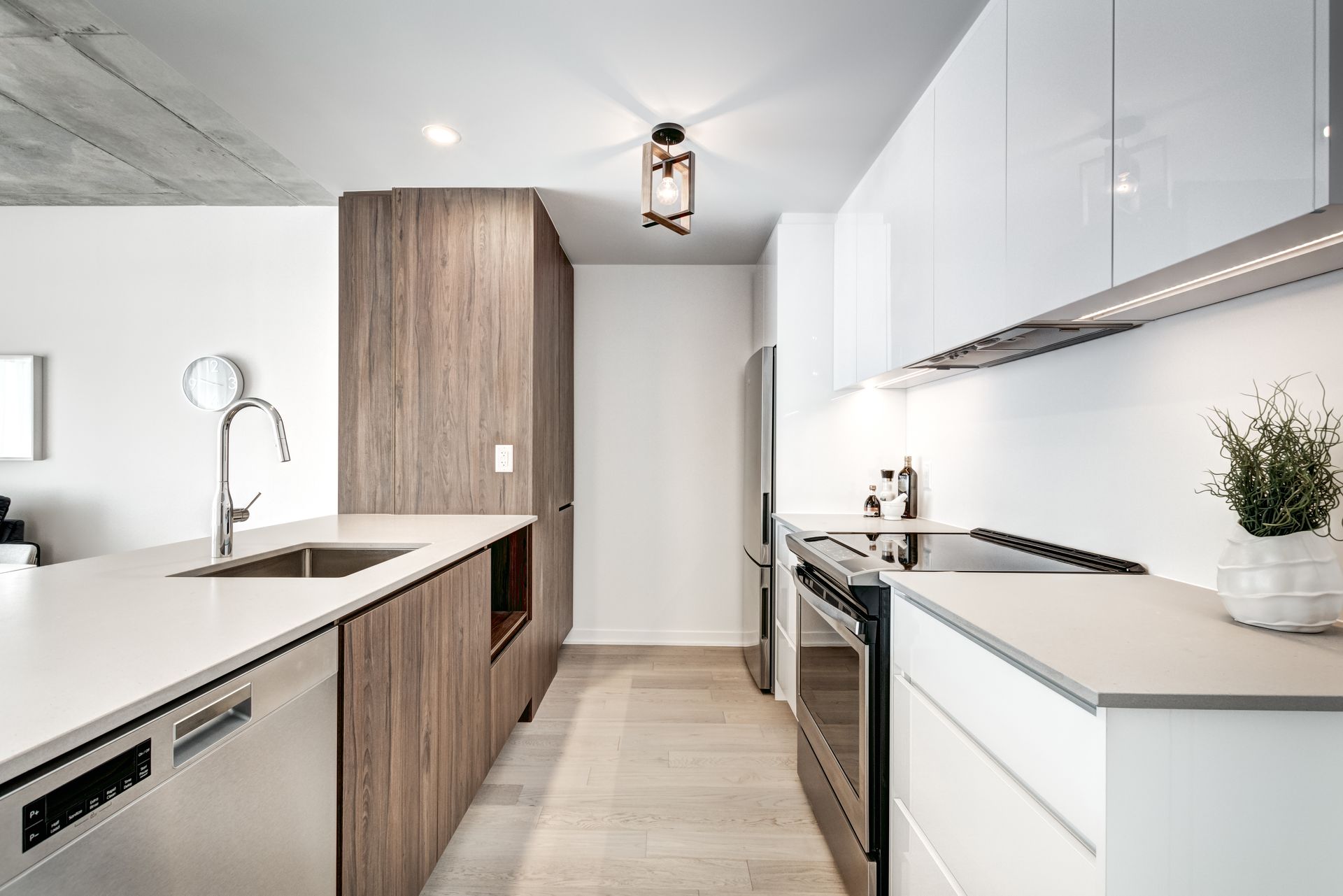
Focus staging where it matters most—the living room, kitchen, master bedroom, entryway. These rooms form the emotional core of the home.
Step 3: Start With Light & Layout
- Maximize natural light; replace heavy curtains with sheers or none.
- Use light, warm-white LED bulbs (2700-3000 K).
- Move furniture away from walls, create conversational grouping.
- Remove excess pieces—spaces should breathe.
Step 4: Add Emotional Styling
- Use a subtle palette: warm neutrals with one accent.
- Add soft textures: a rug, throw pillows, a blanket on a sofa or chair.
- Create a lifestyle scene: e.g., a tray with two mugs on a coffee table, a reading chair with a side table and book.
- Remove personal items; leave tasteful, universal décor elements.
Step 5: Align Online Presentation
- Hire a professional real-estate photographer after staging is done.
- Ensure your listing photos showcase the emotion and flow you staged. According to one source, listing presentation is the “first emotional hook”.
- Use alt tags and engaging captions: “Inviting living room staged to capture buyer imagination”, “Cozy master bedroom designed for relaxation”.
Step 6: Walk the Buyer Journey
- Begin outside: curb appeal matters.
- Entryway should welcome: clear path, visible living room beyond.
- Move to living room → kitchen → primary suite: each stop reinforces the story of living here.
- Ensure no visible distractions (storage boxes, mismatched décor) to keep the emotional momentum.
Anecdote
In one listing I worked on, we staged the patio with a simple bistro set, soft cushions and potted plants. The listing online saw a 35 % boost in inquiries after launch. In the first showing the buyer remarked “I can see us having our morning coffee here” and wrote an offer the next day. That moment—when they felt themselves living there—came from those small emotive staging touches.
Section 4: Measuring Success & Tracking Emotional Impact
What to monitor
- Online metrics: increase in listing views, saves, shares.
- Showings: number of showing requests, time spent on site.
- Feedback: comments like “we could live here” or “it felt like home”.
- Offers: speed of first offer, number of offers, sale price vs list price.
Industry sources show that staged homes lead to shorter market time and higher offers.

Get in Touch for Expert Staging
Ready to transform your space? Reach out to discuss how our professional staging services can make your home stand out and attract more buyers.
We look forward to helping you create a space that sells.